
All of the recent coverage of the new Olympus PEN-F, by reviewers who've been sitting on pre-production models especially, have effectively confirmed that Olympus' reimagining of the PEN line is exactly what everyone wanted it to be. The equation of specification, design, and price point is so refined among the folks at Olympus that the PEN-F never needed to be a revolutionary entry, simply an evolutionary sort with a few minor feature additions splashed in for mass market testing (in this case, it would be the new color/mono/art mode dial on the front of the body featuring a wide assortment of film profiles for quick access to unique JPG profiles).
From everything I've read, all reports indicate the PEN-F is an engineered embrace of online sharing culture, largely designed around a JPG centric workflow and an already refined WiFi app for image download to cell phones. Personally, I've been using my PEN cameras (E-P3 and E-P5) in exactly that very vein for years at this point, so it's wonderful to see Olympus embracing the workflow and expanding it with intuitive control over their JPG engine (which many herald as the best in the business regardless of format). It's disappointing to some degree that the body is not weather sealed, but thinking practically, the likelihood of religiously mounting weather sealed PRO zoom lenses on the camera to complete the seal is distant. PENs are for primes and stuffing into a jacket pocket, not for bulky zooms and overstuffed backpacks. Otherwise, the imaging potential of the camera is spot on with the EM1, EM5 Mk. II, basically all other Olympus cameras (the jump from 16 to 20 megapixels is barely noteworthy), so it's basically an out-of-the-park hit.
That said, I'm not likely to pre-order it. Not yet, at least, and for a multitude of reasons (plus, with plenty of time between now and March, the hint of another critical release may change my interest entirely).
First comes the practical reason: I just bought an EP5. On deep discount, no less, and it's nearly equivalent an imager in practical application (or at least how I intend to use it). The PEN-F is an upgrade, but it introduces redundancy and it's not that much of an upgrade for my uses (I've often thought of the EP5 as an orphaned camera, a great design and implementation marred by a minor issue that was overblown by review sites to the point of sales castration. Like the Nikon V1, I'm curiously fond of such bastard cameras.).
Second, and in relation to above points about the PEN-F not being enough of an upgrade to warrant my purchase, there is a missing element that actually would have tipped me the rest of the way, and that is the upcoming f/1.2 prime(s). Ultimately, I know nothing about the size and weight characteristics of these coming optics, but assuming they will properly balance on the PEN-F (at least with the grip attachment), a paired package would have instantly sold me. The logic might seem inane, but it works out in my head as the beginnings of a new system, a new gear set to complete.
Beginning with the original PEN EP3, my first complete kit was an assortment of great f/1.8 primes in normal focal lengths (and the 12mm f/2.0 for flavor, I suppose). Those lenses are of varying health these days, having endured years of abuse (and abuse from me typically involves being dropped, banged, fallen onto, lots of nasty stuff), so now the kit is mostly limited to the 17mm f/1.8 and 45mm f/1.8 which is just fine for my intended use cases for the EP5 (basically an incidental use daily carry camera).
Last year I completed my OMD EM1 kit, my "pro/working man's" kit, with the 12-40mm f/2.8, 40-150mm f/2.8, and 7-14mm f/2.8. Vertical grip in tow, it's my bulky I'm going out specifically to shoot a photo for a reason gear. It's all still more or less new, though showing some wear already (I said I'm hard on gear...), so it needs no immediate maintenance or replacement.
Building a PEN-F system with f/1.2 primes would be a sort of bridge. With the imaging capabilities of the EM1 (and then some), it would easily replace my standing impulse to carry the EM1 kit on hikes and assorted adventures (the EM1 is, now and forever, mentally allocated as strictly a money maker). A grip-equipped PEN-F makes more ergonomic sense to mount, say, the 12-40mm f/2.8 onto for a little gear set crossover. But more importantly, with an f/1.2 prime (especially one of either a normal 50mm or basic wide 35mm equivalent focal length), I see potential for a treasured adventure kit like the PEN EP3 kit used to fulfill until usurped by the imaging prowess of the EM1. Not to mention, it's far too appealing to carry a second body when shooting with primes, and a pair of PENs makes more sense to me than one PEN with 2 or 3 primes in the bag (far easier to go from one camera with a 17mm f/1.8 to another camera with a 42.5mm f/1.2 than trying to swap lenses between the two). It might seem overkill to most people, and it probably is to some degree (why not just get another EP5?) but I'm still enticed.
I'm waiting patiently for the f/1.2 lens announcements. I'm sure they're months out, but the first focal length announced will decide any future equipment decisions I make this business year. I'm actually pretty happy with my loadout right now, and introducing something new is unnecessary without a compelling use case. In the meantime, I'd be better served by shipping my worn f/1.8 primes off for service than acquiring anything new.
Thursday, January 28, 2016
Tuesday, January 12, 2016
Long exposures rule all (even when they're fake)
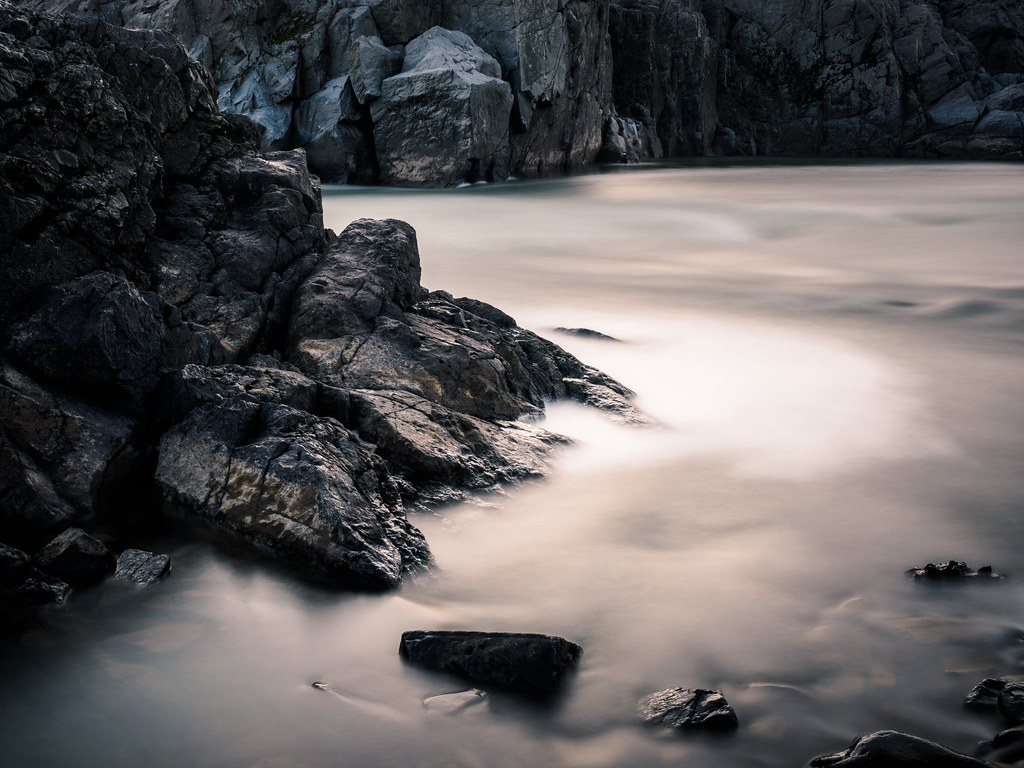 |
| Olympus OMD E-M1 and M. Zuiko 12-40mm f/2.8 PRO with B+W 10-stop ND. 20mm at f/11, ISO 200 and 50" exposure time. |
I'm sure it comes as no surprise to anyone that I have a strong affinity for long exposures. When I first picked up Photography: The Hobby back in the middle school years it was with direct intent to capture streetlight scenes as they spoke very loudly to my muse in those creatively formative years. It wasn't for many years that I finally adopted photography in the daylight, handheld, as a remotely viable exercise of the art form.
The idea of long exposure photography is very foundational to the history of photography itself because the original light-sensitive materials were extremely slow to expose, thus all photography was done with long exposures. You'll read about it in any history-centric article regarding back braces and rigid posing contraptions necessary to keep the subjects of old-timey portraits still for the duration of their photograph. Personally, I'd argue that every photography student coming into the hobby for the first time would benefit more being limited to tripod-mounted capture with the slowest film/ISO possible, and ideally the most restricted/limited light possible, to force an understanding not only of photography as a record of light's path across a frame but also of time. The impact of time on an image, I feel, is the most overlooked element at play in photography, what with video supplanting the still image as a record of time, and with the developments of the modern camera having negated focus on time as an element at play (people photographing night scenes with their smartphones, for example, are wholly unaware of the time element and simply want a frozen moment).
Until recently I stuck with tried and true methods of long exposure capture: high f-stop/slow shutter speed, use of ND filters (always a huge fan of the 10-stop ND), and simply waiting until nightfall. Newer methods (though admittedly not that new, I'm just slow on the uptake) such as compositing only recently made their way into my workflow. What makes those methods great is that they "stack" well with the traditional capture methods, which is to say the former ceilings I used to run into with exposure length on account of engineering limitations (imaging sensors get HOT when you push them over "normal" exposure lengths) disappear. Even cooler, in the absence of an ND filter and even a tripod, technology has us at that point where we can simulate the traditional long exposure, very convincingly, with a series of handheld shots stacked together. And it's really, really cool to be able to do that!
Lately in the Flickrverse I've been actively corresponding with another talented photographer under the guise of the username Space is a Lonely Town (and just for the record, I really love that username tag, it should seriously be a band name or something). Some interest was expressed in the technique used to assemble a faux long exposure image from a series of otherwise disjointed frames, so two examples of images processed with the technique, before on the left and after on the right, are below.
This first image is an assemblage of only 10 exposures, each snapped at 1/60". The math is pretty straightforward - 10 exposures x 1/60" equals a single 1/6" exposure. Arguably I could've achieved that exposure time handheld anyway, but the end goal was to test how well alignment of multiple handheld images worked in the process. You can see for yourself below.


I first came across this trick watching a video by Tony Northrup on YouTube regarding why you don't need filters (some points I agree with Tony, others I don't, it's ultimately a matter of how much time you want to spend behind the monitor in the end). Whilst decrying the perceived need for neutral density filters (of which I will still swear by even with these fun new compositing techniques in my mental camera bag), Tony demonstrates a process by which one can shoot, handheld, a scene and use Photoshop to auto-align the images as separate layers, then convert them to smart objects and change their stacking mode to median. All very standard compositing techniques, really, but it seemed almost terrifying to consider stacking handheld images for the effects. I was certain there would have to be some aberration involved, too much difference from frame to frame for alignment to properly be made, but I'll be damned if I was wrong.
From start to finish, the process is stupidly simple, however the manipulation of smart objects in Photoshop is extremely taxing on computer resources and so the technique involves a bit of a "time tax" on the back end (which isn't really so bad given the time saved on the front end of the process, but again, if you prefer to front load your efforts, ND filters still win out). With the shot below, I started off with 15 frames snapped at 1/125". I loaded up the first in the series in Lightroom and smacked it with some basic edits akin to what I would apply to any single still image, copied those edits and pasted them across the whole range of 15. Lightroom features an automatic "Edit as Layers in Photoshop" option when you right-click on a selected series of images, at which point Photoshop chugs along converting the RAW files into workable image layers with the edits applied in Lightroom. With all the layers selected, there's an "Auto-Align Layers" function in the edit menu which does an unreasonably good job of aligning selected layers based on even the most organic of content (straight lines and reference points be damned). Next it's simply a matter of converting the layers to smart objects in the layers menu and changing their stacking mode to median, which is the trick that merges the pixel values in such a way that emulates long exposure.


So the original series of 15 exposures at 1/125" have become, essentially, a single 1/12" exposure. The added benefit which is really cool is in the noise reduction vicariously a part of composite imaging. These 15 exposures were shot at ISO 200, and because of the random nature of noise generated by imaging sensors, calculating median pixel values among each smart object reduces the more pointed variance at each pixel area. Again, it's easy math - 15 exposures at ISO 200 effectively equates to 1 exposure at ISO 13, which is crazy because digital sensors don't really go that low in and of themselves. In some areas of higher variation (where the motion is) the effect is less noticeable, but where the image is static (such as on the rocks themselves) the enhanced clarity and definition and quality of the pixel-level image information is pretty amazing. I easily see myself employing the trick in other still life or even real estate applications where large reproduction, be it a big print or UHD screen, is the end display medium goal.
Tonight I'm heading to a small workshop with the Creative Photography Society to see a presentation by Denise Silva on long exposure photography, and I'm super jazzed about soaking in the experience and practice of another photographer who enjoys the technique and perspective involved as much as I do. Admittedly, I do kind of have some ideas I want to exercise on my own at the same time, primarily a blend of several traditional and composited techniques to create a single stupid-long exposure style image. Time consuming, but how cool would it be to slap on a 10-stop ND filter and take several in-camera software composited images and then stack those as smart objects in Photoshop? I don't know... sounds like fun to me!
Wednesday, January 6, 2016
It's nearly been a week already...
... How did you spend your 2016?
Mine was in the company of furries. Yup, those weirdos on that one dramatic Crime Show way back when (and I'm sure any number of other glamorous portrayals). Those guys know how to party, and frankly they are absolutely awesome company to keep.
I've mentioned it before, I really do have a penchant for this sort of event photography. It's not enough to be wandering the calm of hallways snapping posed snapshots of costumers and their fans, not for me. A motto I often recited to myself but lost the reigns on in the last year or so was "live interestingly", and that's really what this kind of event photography is all about on a personal level. Getting into the mix, being on the dance floor with everyone and partying right in the middle of the crowd, not chilling out on the sidelines as a quiet observer (not that there's anything wrong with that methodology, it's just not a creative process I find personally fulfilling). For a photo to matter to me, to really matter, I have to be a direct participant in the action involved, and the frames I captured at the New Years Furry Ball in Newark, Delaware, were a breath of some sort of long missed fresh air.
It's kind of funny, really, I always envisioned the M. Zuiko 7-14mm f/2.8 fitting into my arsenal as a strictly real estate lens, but it is probably my least favorite optic to use in such a capacity. Only for reasons dictated by my contracts do I use it for any work on the interior photography front, but were the option open to me I would be using my M. Zuiko 12-40mm f/2.8 with a circular polarizer and stick to focal lengths from 15mm to 35mm. No, where the 7-14mm shines is in the kind of in-the-mix event photography exercised on New Year's Eve. And it makes complete sense based on previous experience using fisheye in the same sort of venue (in fact, I was on the brink of picking up the M. Zuiko 8mm f/1.8 specifically for this event, but retracted my wallet for sake of logic-over-impulse). Sticking to the wider end on the dance floor, typically between 7mm and 9mm, bouncing flash on the ceiling (cranked up by +2/3 stops since TTL seems prone to metering on the darker side of exposure), my evening on December 31st was spent weaving in and around a mob of some 300+ fursuit clad performers dancing without fatigue for some 5 hours to both live-mixed and DJ-curated house music. It was just a damn blast.
The venue played out well for breaking in the new (old) E-P5 as well, which spent most of the night fixed with the M. Zuiko 17mm f/1.8 and sticking to natural light. When not bouncing around on the dance floor and instead sticking to the array of room parties and less-bass-heavy shenanigans, it was the camera I wanted to have with me, and it felt beautifully diminutive to carry.


For the first time in a long while, I feel much more complete and content with myself, my tools, my methodology, and especially my company, than I have felt in a long while. Still need to send in my poor, busted M. Zuiko 12mm f/2.0 in for service (it's hopelessly unsharp, not soft, unsharp, no matter what I adjust), but for now I'm more than happy with the 17mm f/1.8 all on its own. Tried sticking the PanaLeica 42.5mm f/1.2 on the E-P5 body, it was... sub-optimal from a weight/balance perspective.
I don't tend to buy into the whole "New Year's Resolution" tradition because I'm too much of a realist to accept the concept of time and the calendar as anything more than an arbitrary, man-made fabrication to gauge crop cycles and regulate social activities. But to spit in the face of my own ho-hum outlook, I would (arbitrarily) state that my New Year's Resolution for 2016 is actually just to share more. No business goals, the business is doing fine and is self-sustainable. What I intend to accomplish is the abandonment of my addiction to the arbitrary number games of popular photo sharing sites which has indirectly discouraged my enthusiasm to share photos because of some ill-conceived impression that every shot needs to be a masterpiece to merit posting, and any image posted much endure a battery of group-bombing to maximize popularity, Reddit cross-posting, all sorts of dumb and frankly anal shit I somehow arrived at as necessary actions for every single image shared.
Currently, I think my best venue might simply be a private website, something to which I can post images without any self-inflicted impulse to rig as a "winner" in the numbers game. Lately, though, I've had a lot of interest in picking up a tablet again and converting to that hardware as my primary go-to for image editing and direct share, which in clearer terms means "I'd like to edit photos on my tablet and write little blog posts on the spot to go along with them". I have tons of ideas, just have to move forward on them. The real elephant in the room is the question of "Will I set aside the time", and at the moment I have some New Year's Gusto so my answer is an enthusiastic "Hells to the yes".
Frankly, I have no idea how I expect 2016 to go. I didn't plan much ahead of time, have no real expectations of where I intend to be come 2017. Perhaps I'll inaugurate 2016 as my Year of Mental Time Off. Because seriously, I've spent 2011 to 2015 dramatically wracking my brain over all sorts of banal problems under the guise of written introspection... Maybe it's time to just talk about all the cool stuff I'm doing, not all the bullshit stuff I needlessly worry about?
Happy 2016, ya'll.
Mine was in the company of furries. Yup, those weirdos on that one dramatic Crime Show way back when (and I'm sure any number of other glamorous portrayals). Those guys know how to party, and frankly they are absolutely awesome company to keep.
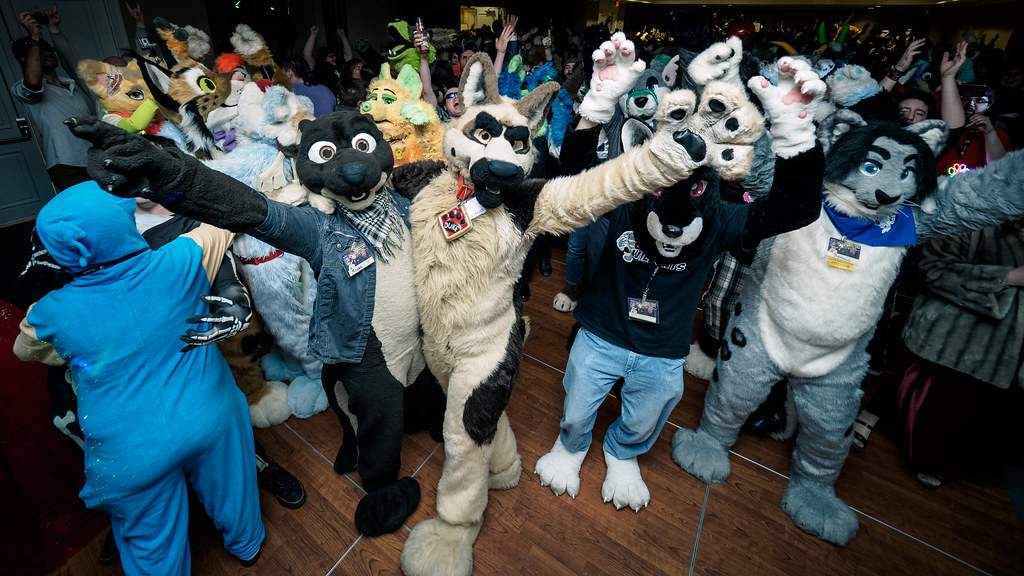 |
| Olympus OMD E-M1 paired with the M. Zuiko 7-14mm f/2.8 and FL-600R flash. 7mm at f/2.8, ISO 800, and 1/60" exposure. |
I've mentioned it before, I really do have a penchant for this sort of event photography. It's not enough to be wandering the calm of hallways snapping posed snapshots of costumers and their fans, not for me. A motto I often recited to myself but lost the reigns on in the last year or so was "live interestingly", and that's really what this kind of event photography is all about on a personal level. Getting into the mix, being on the dance floor with everyone and partying right in the middle of the crowd, not chilling out on the sidelines as a quiet observer (not that there's anything wrong with that methodology, it's just not a creative process I find personally fulfilling). For a photo to matter to me, to really matter, I have to be a direct participant in the action involved, and the frames I captured at the New Years Furry Ball in Newark, Delaware, were a breath of some sort of long missed fresh air.
 |
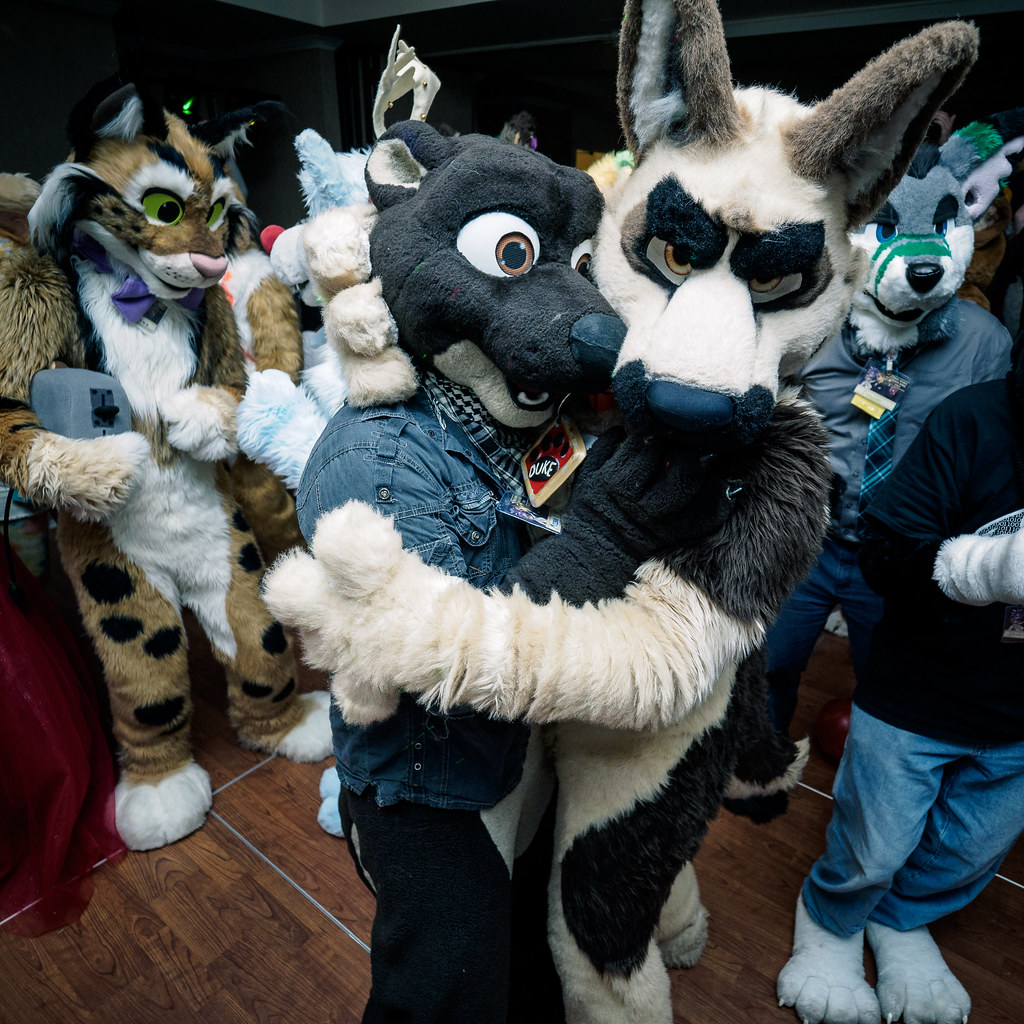
| Olympus OMD E-M1 paired with the M. Zuiko 7-14mm f/2.8 and FL-600R flash. 9mm at f/2.8, ISO 800, and 1/60" exposure. |
It's kind of funny, really, I always envisioned the M. Zuiko 7-14mm f/2.8 fitting into my arsenal as a strictly real estate lens, but it is probably my least favorite optic to use in such a capacity. Only for reasons dictated by my contracts do I use it for any work on the interior photography front, but were the option open to me I would be using my M. Zuiko 12-40mm f/2.8 with a circular polarizer and stick to focal lengths from 15mm to 35mm. No, where the 7-14mm shines is in the kind of in-the-mix event photography exercised on New Year's Eve. And it makes complete sense based on previous experience using fisheye in the same sort of venue (in fact, I was on the brink of picking up the M. Zuiko 8mm f/1.8 specifically for this event, but retracted my wallet for sake of logic-over-impulse). Sticking to the wider end on the dance floor, typically between 7mm and 9mm, bouncing flash on the ceiling (cranked up by +2/3 stops since TTL seems prone to metering on the darker side of exposure), my evening on December 31st was spent weaving in and around a mob of some 300+ fursuit clad performers dancing without fatigue for some 5 hours to both live-mixed and DJ-curated house music. It was just a damn blast.
The venue played out well for breaking in the new (old) E-P5 as well, which spent most of the night fixed with the M. Zuiko 17mm f/1.8 and sticking to natural light. When not bouncing around on the dance floor and instead sticking to the array of room parties and less-bass-heavy shenanigans, it was the camera I wanted to have with me, and it felt beautifully diminutive to carry.


For the first time in a long while, I feel much more complete and content with myself, my tools, my methodology, and especially my company, than I have felt in a long while. Still need to send in my poor, busted M. Zuiko 12mm f/2.0 in for service (it's hopelessly unsharp, not soft, unsharp, no matter what I adjust), but for now I'm more than happy with the 17mm f/1.8 all on its own. Tried sticking the PanaLeica 42.5mm f/1.2 on the E-P5 body, it was... sub-optimal from a weight/balance perspective.
I don't tend to buy into the whole "New Year's Resolution" tradition because I'm too much of a realist to accept the concept of time and the calendar as anything more than an arbitrary, man-made fabrication to gauge crop cycles and regulate social activities. But to spit in the face of my own ho-hum outlook, I would (arbitrarily) state that my New Year's Resolution for 2016 is actually just to share more. No business goals, the business is doing fine and is self-sustainable. What I intend to accomplish is the abandonment of my addiction to the arbitrary number games of popular photo sharing sites which has indirectly discouraged my enthusiasm to share photos because of some ill-conceived impression that every shot needs to be a masterpiece to merit posting, and any image posted much endure a battery of group-bombing to maximize popularity, Reddit cross-posting, all sorts of dumb and frankly anal shit I somehow arrived at as necessary actions for every single image shared.
Currently, I think my best venue might simply be a private website, something to which I can post images without any self-inflicted impulse to rig as a "winner" in the numbers game. Lately, though, I've had a lot of interest in picking up a tablet again and converting to that hardware as my primary go-to for image editing and direct share, which in clearer terms means "I'd like to edit photos on my tablet and write little blog posts on the spot to go along with them". I have tons of ideas, just have to move forward on them. The real elephant in the room is the question of "Will I set aside the time", and at the moment I have some New Year's Gusto so my answer is an enthusiastic "Hells to the yes".
Frankly, I have no idea how I expect 2016 to go. I didn't plan much ahead of time, have no real expectations of where I intend to be come 2017. Perhaps I'll inaugurate 2016 as my Year of Mental Time Off. Because seriously, I've spent 2011 to 2015 dramatically wracking my brain over all sorts of banal problems under the guise of written introspection... Maybe it's time to just talk about all the cool stuff I'm doing, not all the bullshit stuff I needlessly worry about?
 |
| Olympus OMD E-M1 paired with the M. Zuiko 7-14mm f/2.8 and FL-600R flash. 9mm at f/2.8, ISO 800, and 1/60" exposure. |
Happy 2016, ya'll.
Thursday, December 31, 2015
Closing out 2015 on a less angsty note...
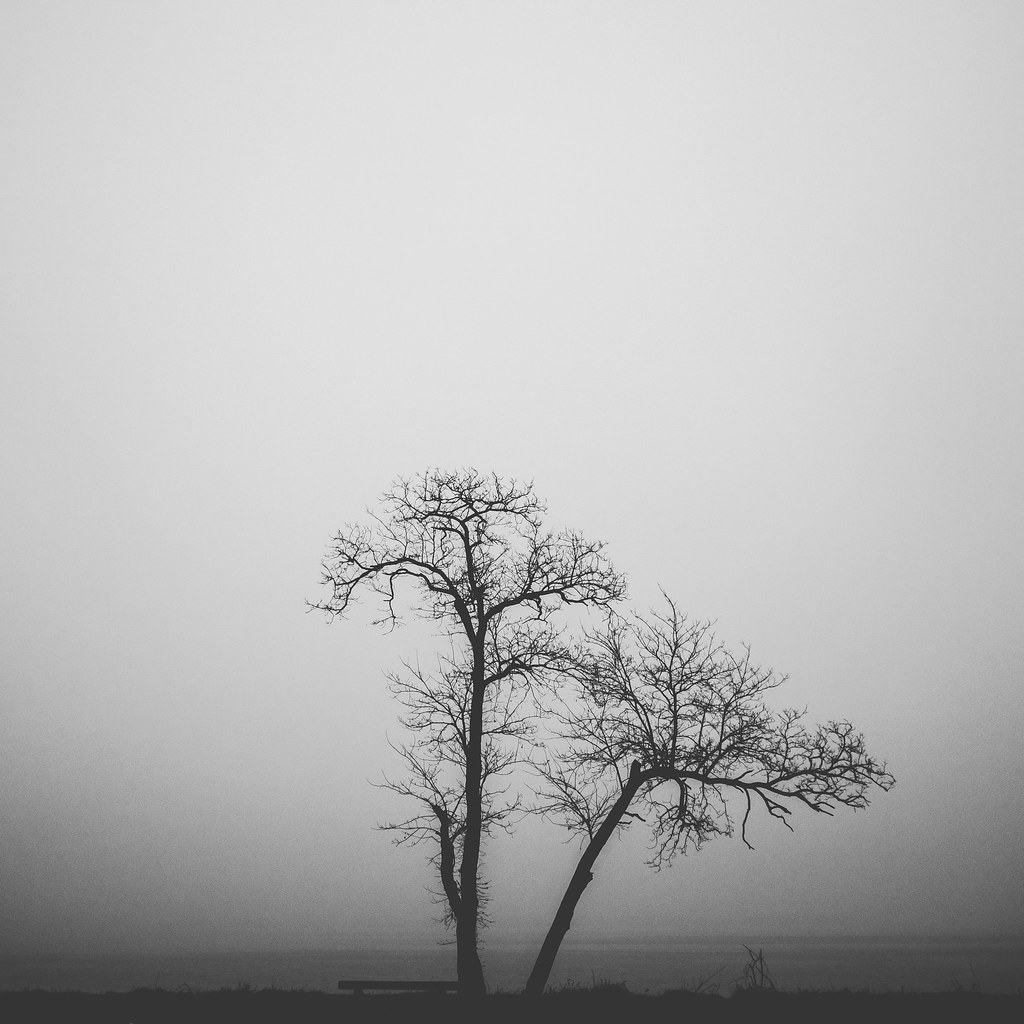
I picked up an Olympus PEN E-P5. Got the bugger from Adorama right at the tail end of a great little flash sale they ran on the thing, body-only for $349. With the true update of the series allegedly coming this year, I'm actually pretty okay with dropping $349 to scratch the most incessant itch of wanting a truly transparent-on-my-person small camera body to slap a prime on and just go out, walk around, and focus on experiencing the world rather than worrying about shooting it. Getting back to the whole "kneejerk" thing... see, react, refine, move on. Without a 30 pound backpack and 7 pounds of camera weighing down the living.
Not that anybody likely cares with the body being about 2 years old at this point, but from a technical standpoint it's an E-M5 that actually fits in a pocket (so far as image quality is concerned). The Sony sensor differs a bit from the Panasonic sensor I'm used to in the E-M1, more noise, but it's a kind of noise that likens itself to analog film grain, so it's not noise I'm bothered by, not even at ISO 5000 (I might like the noise profile of the old 16MP Sony sensor even better than that of the 16MP Panasonic sensor in the E-M1...). Firmware updated to v1.6 brings with it the necessary electronic first curtain to subdue shutter-shock inherent to the 5-axis IBIS system, and despite being a bit difficult to steadily hand-hold at slower shutter speeds on account of its size I can still squeeze out reasonably clear 1/4" shots with my palsy hands. For the most part, it's just my old E-P3 with a new sensor and updated processor, so it's iterative and great. Even has the WiFi I've come to love about the OMD line. About the only this it's missing is a Live Composite shooting mode but that's just fine, I have a "big boy camera" for when I'm shooting with deliberate attempt to photograph. Oh, and the autofocus system is the old one from the E-P3, with fewer selectable points and no PD system, but oddly it seems to be more spot on than the newer system when shooting with all AF points available.
It's a holdover to a degree, but a competent one. I'll still likely gush over the coming reimagined PEN model, especially given the track record Olympus has had the past couple years releasing insanely well designed and engineered imagers. Ultimately I'm just happy to have a companion camera right now, because no matter how much I may appreciate the E-M1 it is simply not a camera I want to carry all the time. I suppose the weirder part is that I want to be carrying a camera around all the time. Cell phone doesn't count because reasons.
As an aside, 2015 was a landmark year for my business. Somehow I've managed to keep the income-doubling trend alive and well for 4 years. Pretty sure I've hit my peak potential at this point, though, as there just isn't much more in the way of time I can allocate to photo work. The only way to grow the business is to raise my rates, but I'm not too compelled to do that either. I'm comfortable right now, and if my business workflow is optimized to comfortable efficiency there's no sense in mucking with it.
I'm going to run out to Delaware tonight and do party photography. I recommend you all do the same. But, you know, don't forget to party as well as photograph. :)
Monday, December 28, 2015
I basically hate my camera because it's too goddamn big...
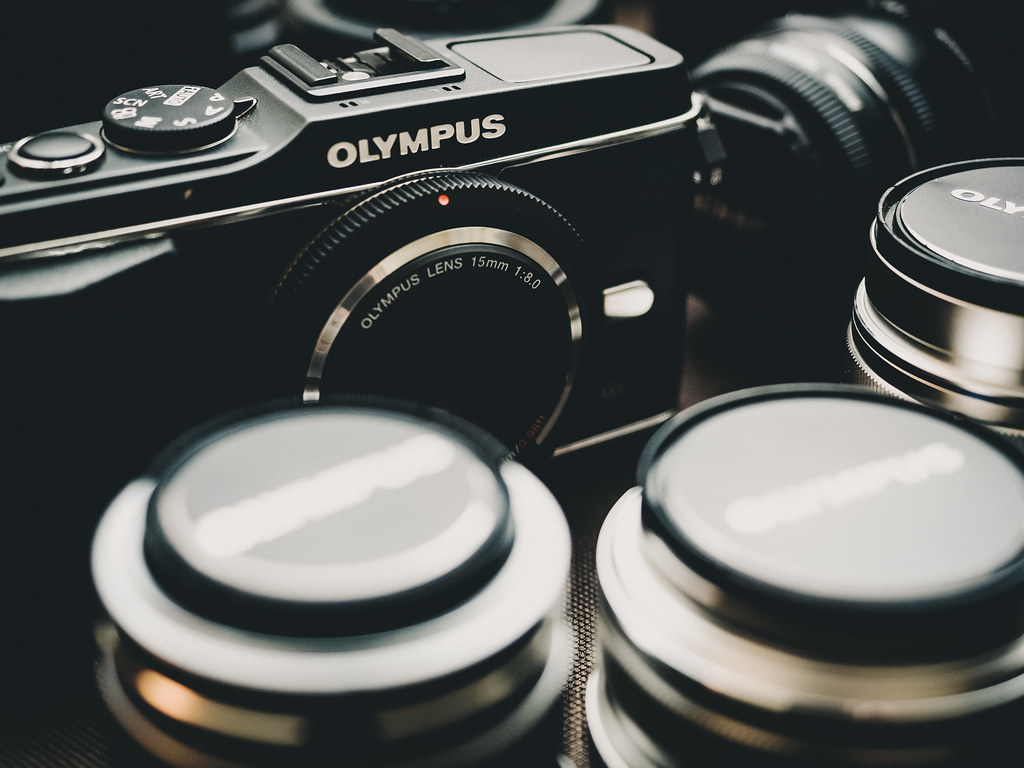
When I bought the E-M1 August of last year it was with the clear intent to use it as a workhorse body, paired with my trusty E-P3 as my "fun time" camera with the trio of primes I'd been using for the same work I bought the E-M1 for. After the battery charger for the E-P3 batteries died, I decided it was worthwhile to retire that camera and just stick with the E-M1 for everything, a single body for all. Over 2015 I've picked up the 40-150mm f/2.8, 7-14mm f/2.8, and 42.5mm f/1.2, basically all the nice higher end glass I could to go along with the E-M1 because price was no longer a factor and why not see just how hard I could push things? In conclusion, I've successfully discovered the best way possible to suffocate all the joy out of photography I possibly could have.
Somewhere along the line I forgot that my methodology, my ethos, has always been an embrace of minimalism, because the kit I'm stuck with right now is anything but minimal. People will give me shit for complaining so much about Micro Four Thirds glass and bodies because they're still diminutive in size compared to their Full Frame counterparts, but that simply highlights how strictly my preference for tools is on the small side. The E-M1 is a great imager, but it's a goddamn tank and I hate carrying it around. No matter what I stick on the front of the thing, it's a big black "LOOK AT ME I'M A PHOTOGRAPHER" attention grabbing brick. I can't attach it to my belt loupes and lazily stroll around the street, it's either in my hand or shoulder strapped and bouncing around like an annoyance.
These PRO zooms are great for working photography, but in personal use I've only ever managed to find problems, and they are problems I've found in my old kit of primes that I never noticed before, and now they are all ruined and dead to me because I've gotten to this point of pickiness that everything offends (except for that 42.5mm Nocticron, which is probably the only lens I haven't felt betrayed by this year). Suddenly ghosting and flare is the bane of my existence at all times, and the PRO zooms are so big I bought a backpack to carry everything in... A BACKPACK. I spent years decrying backpacks for being the bag choice of the idiot who thinks he needs to carry everything, and I have turned into that idiot. I used to be able to toss a couple primes into my Think Tank Retrospective 5 messenger bag and walk out the door without a worry because all I needed were those couple focal lengths I picked out and I was happy. Now I'm cruising with a backpack loaded with focal lengths spanning 7mm to 150mm with a flash and tripod collars and it's still not much and all fits into a tiny backpack BUT I STILL FUCKING HATE ALL OF IT.
Having coffee with my dad yesterday, he made the comment that I needed to get off the gear and just focus on the art, and he's right, but I'm having a really hard time getting past the disgust I have for my gear set. I feel like a painter whose paint brush's handle has been giving him splinters every time he uses it for months, and has finally hit the point of fed up where he's ready to toss the horsehair splinter-fest brush into the fire. Maybe less dramatic, since I still find it brutally useful when I am out shooting photos either for work or with deliberate intent. But that is not how I am shooting all of the time. It's Kneejerk Imagery, for fuck's sake, the idea is to see and react, respond without knowing why, then drill down on what it was that caught your attention until you can refine it through subtraction, that's what photography has always been about from fundamentals. And here I am not responding because I don't want to be burdened with a tank in my hands, or paralyzed by choice with a bunch of zooms in a bag that piss me off because they can't help but catch flare off stray light sources.
There is nothing inherently wrong with my equipment. It's a personal frustration with the over-complication of what was once very simple. I enjoyed snapping randomly with the E-P3 and the 45mm f/1.8 because it was simple and lacked the complexity of choice. Ultimately I want to find another solution like that. The simplicity solution, the thing that drives me.
I keep hearing about this upcoming PEN-F re-imagining of the Olympus PEN line but that doesn't exist yet and I'm tired of living and breathing gear purchasing decisions by the bleeding edge of rumor site speculation. Right now the most sensible solution is to pick up a Fujifilm X100T, which I've had my eye on since its 2-generations old predecessor X100 anyway. My first mistake was looking at reviews of the camera from the technical side but that was stupid because my problems have nothing to do with technical competency on the part of the engineers making the camera (any camera these days is more than sufficient, even the ones in our phones). What I'm looking for is an abstract, as it usually is with me. I'm looking for the simplicity in operation, the meaningful limitation that forces creative considerations neglected when technical solutions are available, and mostly the minimalism of it. One camera, fixed lens, built-in ND filter (and lord knows I've been all about that daylight long exposure stuff lately), maybe stick a CPL in the bag with a spare battery (or even a USB battery since that's a cool thing the X100T is capable of charging by), and a tripod. Basically the same profile as the E-P3 kit I always ran around with, minus the variety in focal lengths but even that's okay since the 17mm f/1.8 ended up being the only thing I ever used once I picked it up anyway.
I'm going to do one of two things in the next week. I'm either going to continue being pissed off and dissatisfied with everything for a few more months while I wait for the PEN-F announcement, or I'm going to actually treat myself to something for me instead of for my business for once this year and pick up an X100T kit with an arca-swiss base so I can use my tripod without worrying about swapping the stupid plate that came with the tripod. Let's see what I end up doing and how much regret any decision I make generates (because I will regret every decision at this point, I've driven myself mad for so long there is no wholly positive outcome left).
Friday, December 11, 2015
I keep failing to catch the sunrise...
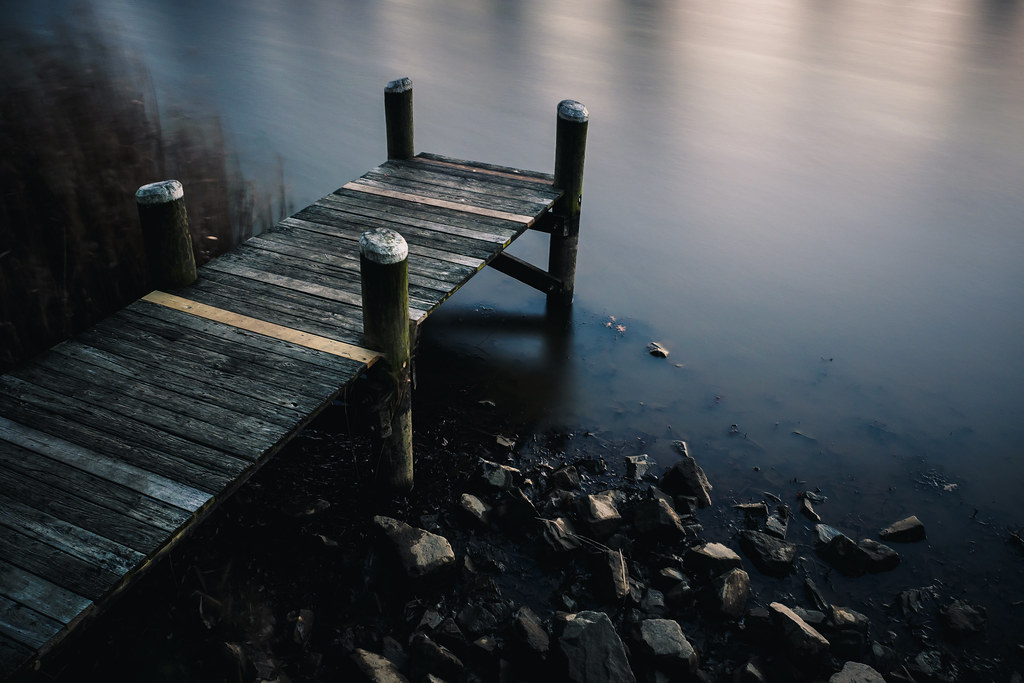 |
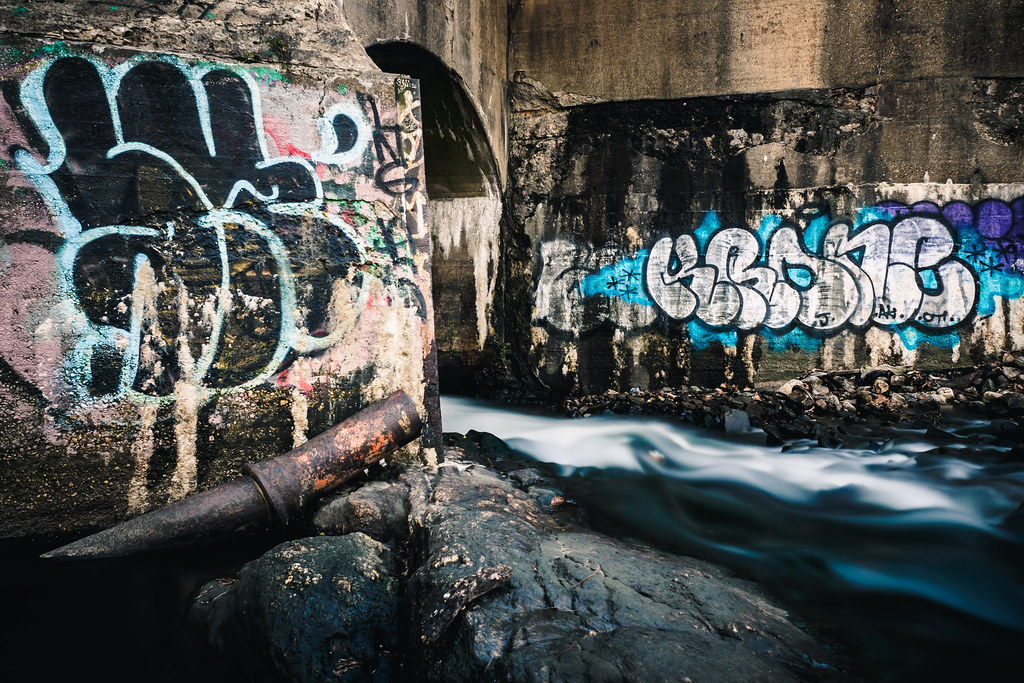
| Olympus OMD E-M1 with 12-40mm f/2.8, 25" at 15mm, f/4.0 and ISO 200. |
Early last month I made statements regarding how to maintain a more positive mood during the Winter months, waking up early and catching sunrise on the regular, and I've done a piss poor job in the past week of adhering to that regimine. Predictably, my mood and emotional health are suffering for it. Weird issue I didn't foresee at the time, the sun is taking too long to rise right now - I'm getting up plenty early, but the sun never makes it over the horizon before I need to be at work. So... okay, sorry, my theoretical methodology is not as foolproof as I thought. Still, I have been up to things, just not in the past 4 days (which have been quite excruciating, and political cycle seepage at the office hasn't made coping easier).
The biggest thing I've been invested in so far as creative pursuits are concerned are long exposures in daylight and composite images to stack subsequent exposures for an even longer exposure sort of effect. It's been an addiction since picking up my B&W 10-stop ND filter a few months ago, and after experimenting with minutes-long bulb exposures using the big stopper I've transitioned to stacking shorter exposures in either Olympus' Live Composite shooting mode feature on the E-M1 or stacking exposures in Photoshop by stacking aligned layers as smart objects and calculating the mean exposure for each. All methods produce great results, and it only makes sense how much I'd enjoy daylight long exposures considering the affinity I've always had for similarly long exposures at night in years past.
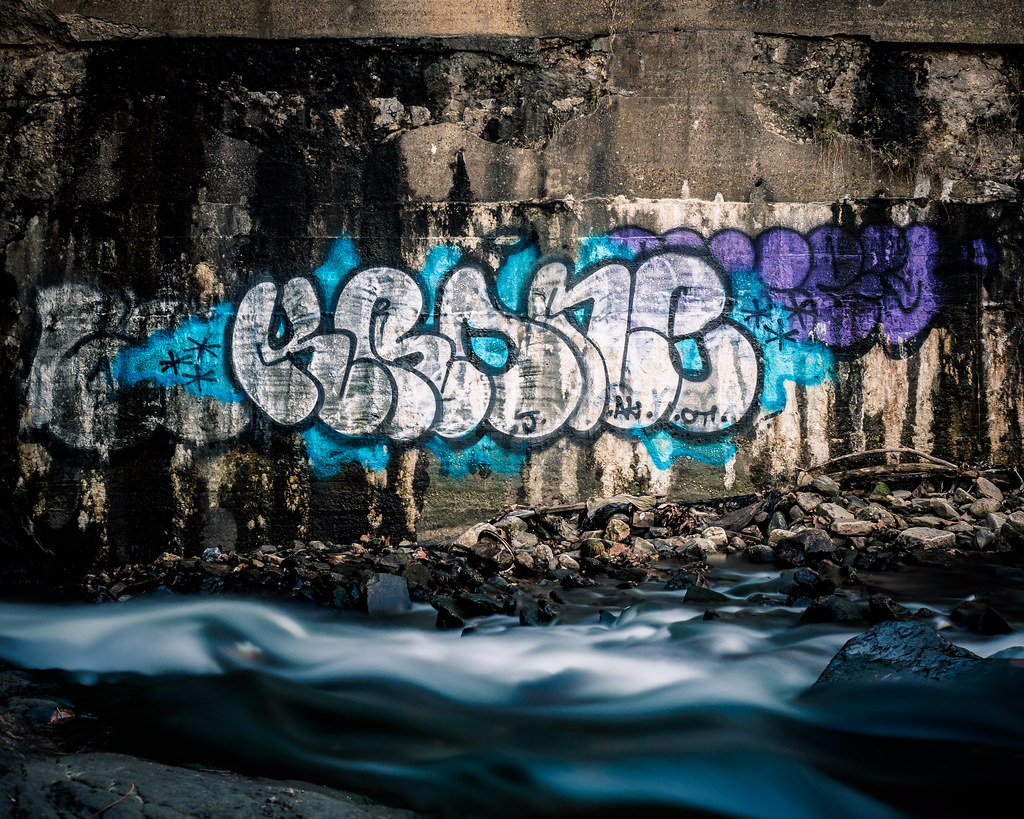 |
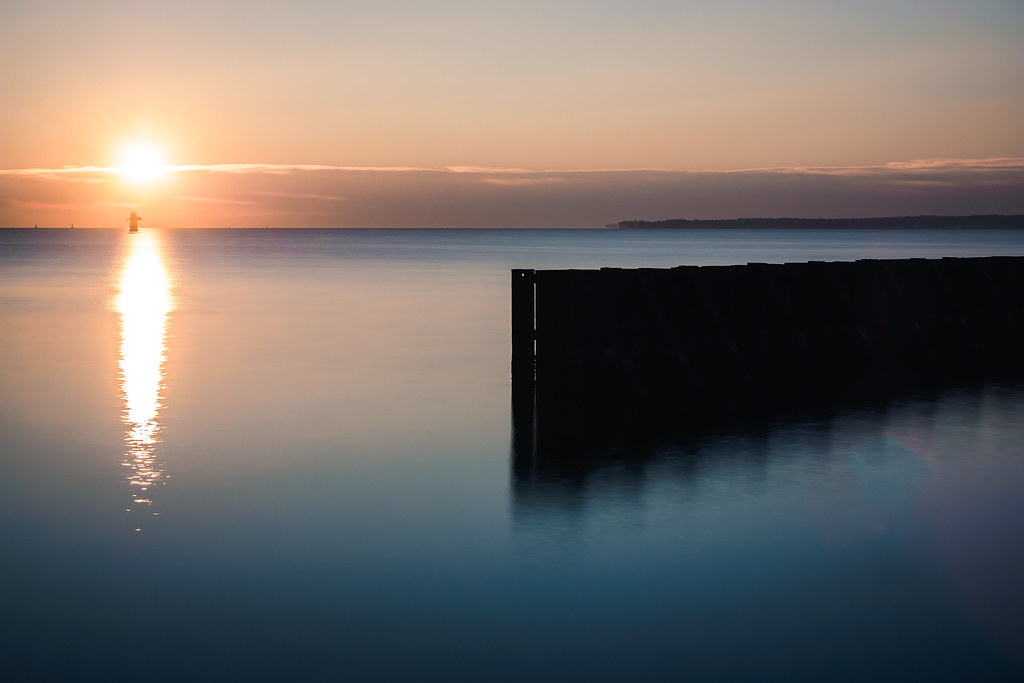
| Olympus OMD E-M1 with 12-40mm f/2.8, 20" at 24mm, f/5.6 and ISO 200. |
 |
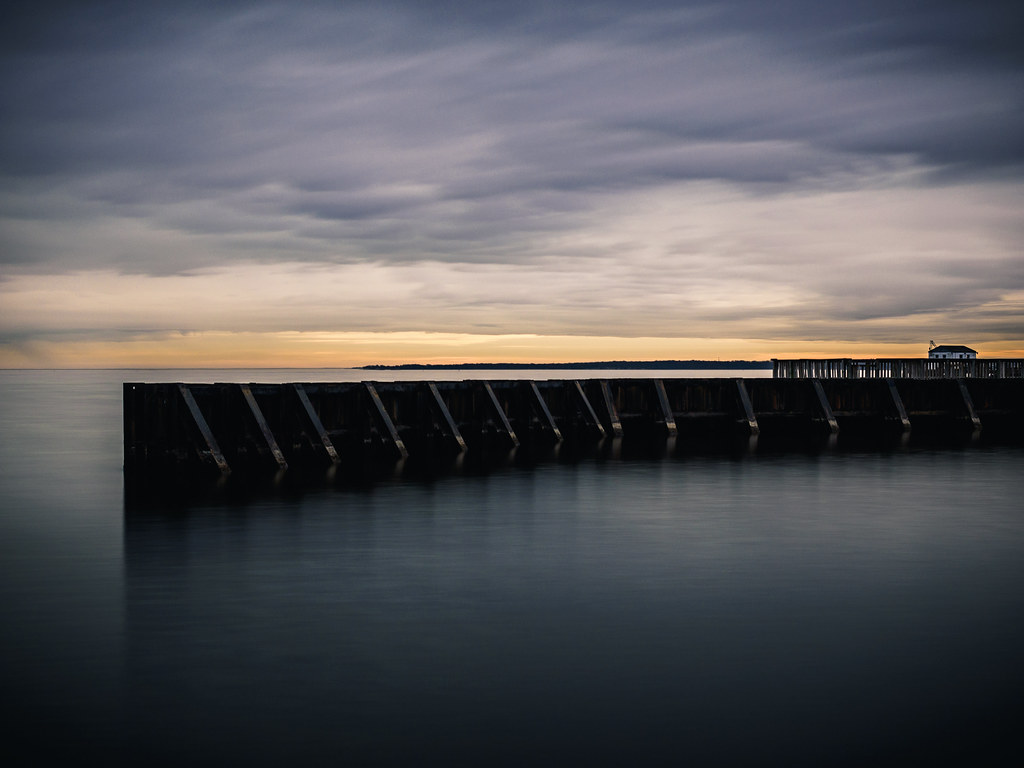
| Olympus OMD E-M1 with 12-40mm f/2.8, 25" at 15mm, f/5.6 and ISO 200. |
It's a time consuming process, but one that reminds me very much of the time lapse work I buried my head into last year. Takes a lot of determined motivation to get off the ground at all, and each shot takes considerable time to build. Whether processing the image in Photoshop into a composite or running the composite live in-camera, that's probably the best verb that could be used to describe this long exposure process, "build". It's interesting to see how light shapes the scene as it changes, and by being selective about which frames of light are allowed to show in a given area of the image it's possible to surreally portray every element in only the phase of light that suits it best. As much an analysis of the effect of time as a visual art form.
 |
| Olympus OMD E-M1 with 12-40mm f/2.8, 4" at 31mm, f/5.6 and ISO 200. |
 |
| Olympus OMD E-M1 with 12-40mm f/2.8, 4" at 27mm, f/4.0 and ISO 200. |
Wednesday, December 2, 2015
Rumor Mill Speculation
There is an inordinate amount of buzz encircling the mirror-less photosphere at the moment given a credible rumor that Samsung's quiet (but not-so-quiet) exit from the camera business is due to its acquisition by Nikon in effort to integrate their expertise in the mirrorless front in their own engineering portfolio. This... actually has me super jazzed.
Though not an early adopter, the form, fit, and feel of the Nikon V1, their first entry into the mirrorless ILC market, was too enticing not to buy into, and I doted with fond nostalgia on that camera in this blog in the past. It was a camera for experimentation, using its speed for unconventional attempts at the creation of something new. But as a conventional photographic tool, it was cumbersome. No need to elaborate on that fact, really... there are plenty of reviews out there detailing the misery of menu diving and poor button/dial placement.
That said, I sold the camera around this time last year and have regretted the decision every single day since.
Part of the appeal of Nikon is in the quality, the look of its RAW files (and no, not all RAW files are created equal). Like flat color and tonal profiles for video, they provide the ultimate canvas upon which values can be stretched and torqued and manipulated into a preconceived vision. That quality was present in the meager 10 megapixel files of the V1, and I absolutely anticipate it to be present in the whatever-sized files of a pending future Nikon mirrorless release using Samsung's sensor technology. Because that's the big technological acquisition here, the sensor tech.
Samsung's attempt to push into the extant camera market was noble and well executed, but jingoism in market (the American market, especially) proved too tall a hurdle for the company to overcome. And aside from Canon, they were the only company willing to put forth the investment required to develop all technology in-house, from sensors to optics to interfaces. That their investment did not pan out commercially is unfortunate, but the acquisition of their technology and expertise by a brand as lauded in the annals of photographic history as Nikon should speak to the respectable competency of their technology. Samsung sensors are great, and the only realistic alternative to Sony's monopoly on the commercial imaging sensor market. Their optical prowess is equally laudable, as well as their understanding of how to strike the best balance between milled optical perfection and software based correction. Nikon may not necessarily need much support in the realm of optics as it applies to lens manufacture, but in lacking an established line of lenses supporting larger format mirrorless digital cameras, inheriting NX patents is an immediate lift. Barring the time necessary for production schedules, it wouldn't be unreasonable to see Nikon's take on the old NX line springing into stores by next Christmas.
This is an important shift because Sony has been the elephant in the room for too long, owning the majority of the imaging sensors used by the likes of Nikon, as well as Olympus and Sony's own brand of Alpha digital cameras, even cell phones market-wide. As it applies to the camera business, Sony and Nikon have had a strong partnership but Nikon will always be in the submissive position, the bleeding edge technologies consistently reserved for Sony's flagship models. With growing popularity among the mirrorless crowd in the A7R II, moving to a different sensor standard for their own reimagined mirrorless line is the best move Nikon could have possibly made, and after 7 years of innovative stagnation I once again have hope in the potential of future Nikon releases.
I wouldn't presume to predict Nikon's next moves, but I certainly know what I'd like to see from them from both product and market standpoints:
Though not an early adopter, the form, fit, and feel of the Nikon V1, their first entry into the mirrorless ILC market, was too enticing not to buy into, and I doted with fond nostalgia on that camera in this blog in the past. It was a camera for experimentation, using its speed for unconventional attempts at the creation of something new. But as a conventional photographic tool, it was cumbersome. No need to elaborate on that fact, really... there are plenty of reviews out there detailing the misery of menu diving and poor button/dial placement.
That said, I sold the camera around this time last year and have regretted the decision every single day since.
Part of the appeal of Nikon is in the quality, the look of its RAW files (and no, not all RAW files are created equal). Like flat color and tonal profiles for video, they provide the ultimate canvas upon which values can be stretched and torqued and manipulated into a preconceived vision. That quality was present in the meager 10 megapixel files of the V1, and I absolutely anticipate it to be present in the whatever-sized files of a pending future Nikon mirrorless release using Samsung's sensor technology. Because that's the big technological acquisition here, the sensor tech.
Samsung's attempt to push into the extant camera market was noble and well executed, but jingoism in market (the American market, especially) proved too tall a hurdle for the company to overcome. And aside from Canon, they were the only company willing to put forth the investment required to develop all technology in-house, from sensors to optics to interfaces. That their investment did not pan out commercially is unfortunate, but the acquisition of their technology and expertise by a brand as lauded in the annals of photographic history as Nikon should speak to the respectable competency of their technology. Samsung sensors are great, and the only realistic alternative to Sony's monopoly on the commercial imaging sensor market. Their optical prowess is equally laudable, as well as their understanding of how to strike the best balance between milled optical perfection and software based correction. Nikon may not necessarily need much support in the realm of optics as it applies to lens manufacture, but in lacking an established line of lenses supporting larger format mirrorless digital cameras, inheriting NX patents is an immediate lift. Barring the time necessary for production schedules, it wouldn't be unreasonable to see Nikon's take on the old NX line springing into stores by next Christmas.
This is an important shift because Sony has been the elephant in the room for too long, owning the majority of the imaging sensors used by the likes of Nikon, as well as Olympus and Sony's own brand of Alpha digital cameras, even cell phones market-wide. As it applies to the camera business, Sony and Nikon have had a strong partnership but Nikon will always be in the submissive position, the bleeding edge technologies consistently reserved for Sony's flagship models. With growing popularity among the mirrorless crowd in the A7R II, moving to a different sensor standard for their own reimagined mirrorless line is the best move Nikon could have possibly made, and after 7 years of innovative stagnation I once again have hope in the potential of future Nikon releases.
I wouldn't presume to predict Nikon's next moves, but I certainly know what I'd like to see from them from both product and market standpoints:
- A diminishment in tiers of DSLR models. There are so many redundant middle-ground models being released in ill-fated attempts to recapture the long lost market of compact camera buyer sales volumes that the flood of nearly identical models released year after year have super saturated the camera market and driven the value of all cameras to insane lows. While good for consumers on the short term in the form of alarmingly cheap used prices, when the company making the cameras is no longer earning revenue from new camera sales due to used camera sales volumes, innovative progress grinds to a halt, which is what we've seen play out for the past 10 years in excruciating slow-motion.
- Presuming the release of a new mirrorless system, should sales of that system exceed sales of new entry-grade DSLRs (which I absolutely anticipate they will if the mirrorless model is not artificially hamstringed as Nikon and Canon have both done in past mirrorless releases), I expect Nikon to take the active, market affirmative approach of diminishing their lower tier DSLR offerings and supplant them readily with their mirrorless evolutions (because evolution of the imaging system is ultimately what the strong wave pushing toward mirrorless has always been about).
- From a product design standpoint, the original, impulsive design tendency toward super tiny models has finally reached the point of faux pax. Yes, our hands are only ever so small on average, and yes, it's nice to have something sizable to hold onto in regards to cameras. So, perhaps, given old guard worries of things like flange distance, it is not unreasonable to design a mirrorless camera retaining the same flange distance as conventional mirror-equipped DSLRs? This design choice would allow for the legacy of the F-mount to continue uninterrupted, and the afforded "empty space" in body design would actually be quite ideal for the integration of sensor cooling technologies which are of extremely high demand to video enthusiasts (and video competency is a huge asset inherited from Samsung). More so, sensor cooling technologies would enable previously unexplored potential in exposure length in mirrorless systems, as well as afford benefits to high-ISO applications by dissipating the heat which contributes to poor SNR. (Plus, there's always the aesthetic aspect of keeping that genuine DSLR look and feel while simultaneously integrating newer technologies)
Personally, I'm excited. It would be dangerous to get my hopes of too high given the consistent history of godawful disappointments coming from CaNikon struggling to maintain hold on a market that left them behind a decade ago, but this acquisition was not a cheap move and I fully expect that if Nikon were willing to put their necks out far enough to put money down on Samsung's imaging division that maybe, just maybe, they won't foolishly hinder their own engineers and designers trying to bring forth the next generation of Nikon camera (as if there were anything left to cannibalize from the former).
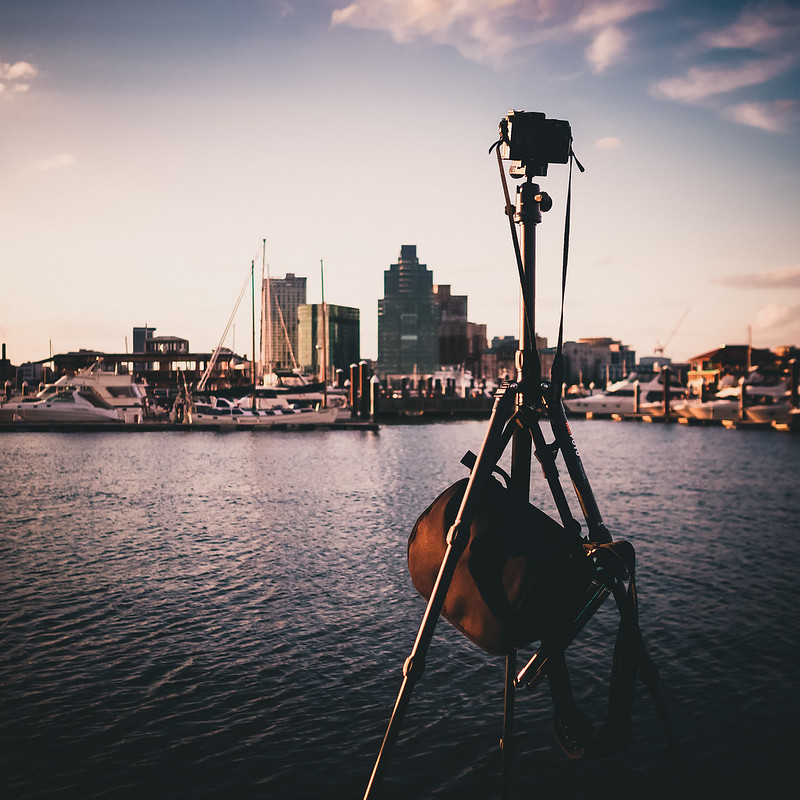 |
| Nikon V1 running time lapse capture over Baltimore's Inner Harbor. |
Subscribe to:
Posts (Atom)
